

Tiny Steps That Shape the Future
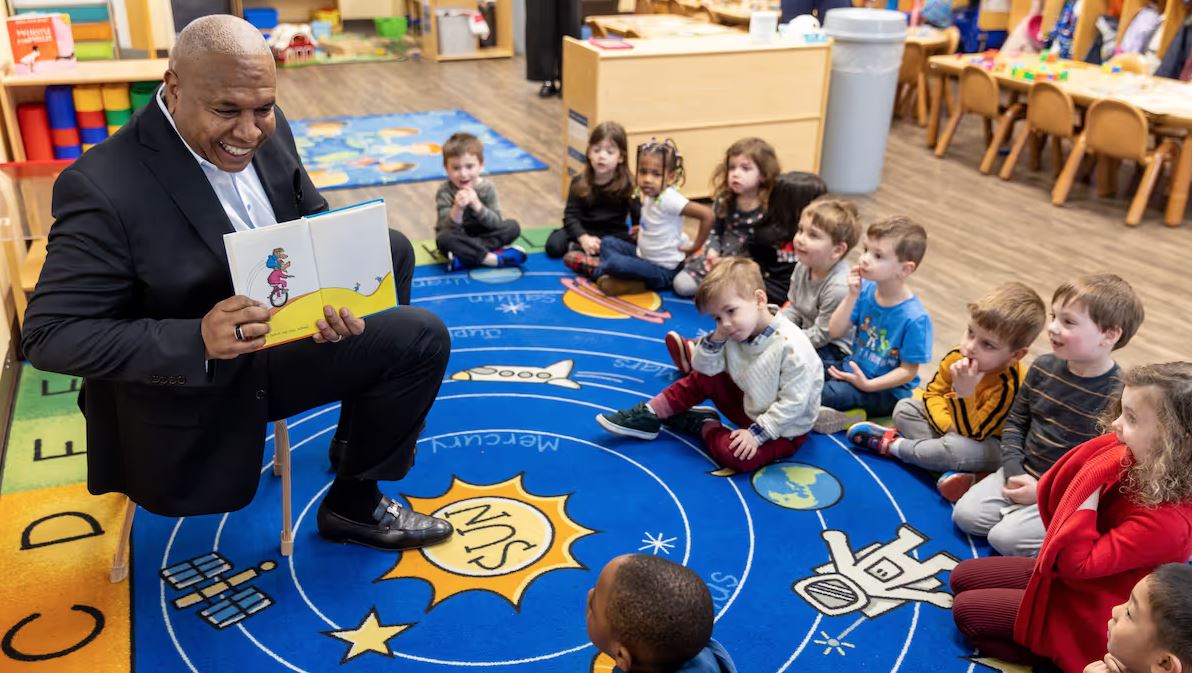
Exploring the Early Years When Minds Bloom and Futures Begin to Take Shape
The Foundation of a Lifelong Journey
Early childhood education represents the beginning of a child’s lifelong journey toward understanding the world. It is during these tender years, between birth and age eight, that the architecture of the mind develops with extraordinary speed. Every sound, texture, color, and human interaction contributes to shaping not only intelligence but also emotional well-being. This is the season of wonder when learning occurs naturally through play, exploration, and imitation. The quality of experiences during this period can influence how a child perceives learning for the rest of their life. A nurturing environment that values curiosity builds the confidence to ask questions and seek answers without fear. It is not about accelerating academic milestones, but about cultivating a love for discovery that will last into adulthood.
In these years, children absorb information at a rate that no other stage of life replicates. Their minds are open canvases, and each interaction leaves a mark. Early education therefore must be intentional, balancing stimulation with security. The child who feels safe to explore learns more deeply. The one who receives warmth and encouragement begins to see learning as joy rather than pressure. In this sense, early childhood education becomes more than schooling; it becomes the art of preparing the heart and mind for a lifetime of connection and creativity.
The Power of Play as a Learning Tool
Play is the purest form of learning in early childhood. Through play, children experiment with ideas, roles, and emotions. When they build with blocks, they learn geometry and patience. When they pretend to cook, they understand sequencing and cooperation. Play connects imagination to reality, bridging what is known and what is possible. It is through play that children learn to take turns, solve conflicts, and develop empathy. In the classroom, structured play can nurture language, fine motor skills, and problem-solving, while unstructured play gives space for creativity and self-regulation. Both are essential for balanced development.
Parents and educators who value play are not minimizing education but deepening it. Too often, academic pressure replaces natural curiosity. When worksheets take the place of discovery, the joy of learning fades. By protecting playtime, adults preserve a crucial part of human growth. In play, mistakes become learning opportunities rather than failures. The child stacking blocks learns that collapse is not defeat but an invitation to try again. Through this repetition, persistence and innovation are born. Play, when respected as essential rather than optional, teaches the skills that prepare children for every challenge ahead.
Building Emotional Intelligence in the Early Years
Emotional intelligence is the silent curriculum of early childhood education. Long before children can solve equations, they must learn how to name, manage, and understand their feelings. The ability to identify emotions builds empathy and resilience. A child who knows how to calm themselves after frustration learns control that serves them throughout life. Emotional literacy allows children to communicate needs clearly and to respond compassionately to others. Classrooms that include emotional education create safer spaces for all learners. Teachers who validate feelings show that emotions are not disruptions but natural responses to experience.
Stories, art, and play are powerful tools for nurturing this intelligence. Reading tales that explore different emotions invites children to empathize with characters and to recognize those same feelings in themselves. Activities that promote sharing or teamwork teach cooperation through action rather than lecture. When emotional growth is integrated into daily routines, children begin to develop maturity that cannot be taught through academics alone. Emotional intelligence supports not only social harmony but also cognitive function, because a calm and connected child is always ready to learn.
The Role of the Environment in Learning
The environment in which a child learns is not a backdrop but an active teacher. Every color, sound, and texture communicates something about safety and belonging. Early learning spaces should invite curiosity rather than control. Natural light, open layouts, and materials that encourage tactile exploration stimulate creativity. When classrooms mirror the world rather than confine it, children understand that learning extends beyond walls. Nature, in particular, serves as a powerful classroom. Outdoor exploration strengthens observation skills and deepens respect for living things. Digging in soil or watching insects teaches science long before formal lessons begin.
Home environments play an equally vital role. A home that values reading, conversation, and curiosity nurtures learning organically. Children who see adults reading, experimenting, and expressing wonder learn by imitation. The environment does not need to be filled with expensive toys or technology. What matters most is emotional safety and stimulation through engagement. When children grow in places where their questions are met with enthusiasm, they learn that their voice matters. That awareness lays the groundwork for confidence and intellectual independence in later years.
The Importance of Relationships in Early Learning
Relationships form the heartbeat of early childhood education. Every smile, every reassuring touch, every patient answer builds trust. Through relationships, children develop a sense of security that allows them to explore the world. The connection between teacher and student mirrors the attachment between parent and child. In both settings, love becomes the foundation for learning. When children feel genuinely cared for, their curiosity blossoms without fear of judgment. Consistent, nurturing relationships also teach empathy, cooperation, and respect. Children learn how to form friendships and to value the perspectives of others.
Educators act as emotional architects, shaping how children experience belonging. They model kindness and fairness through their actions rather than through instruction. In classrooms that emphasize connection, discipline becomes guidance instead of punishment. A teacher who kneels to a child’s level and listens sincerely teaches emotional regulation through presence alone. Peer relationships also matter. Group activities encourage collaboration, helping children navigate differences and build compromise. When education is relational, it becomes more than a transfer of knowledge. It transforms into a shared human experience that prepares children not only to think critically but also to live compassionately.
Integrating Creativity and Critical Thinking
Creativity and critical thinking develop side by side during the early years. Young children are natural inventors. They ask questions that defy logic and explore ideas adults often overlook. Nurturing this creativity requires patience and openness from educators and parents alike. Instead of correcting every imaginative answer, adults can encourage exploration by asking, “What makes you think that?” This approach transforms curiosity into confidence. The child learns that their ideas have value, even when they are unconventional. Creativity strengthens problem-solving and flexibility, qualities essential for lifelong learning.
Critical thinking emerges as children begin to notice cause and effect. When they observe how stacking too many blocks causes collapse, or how mixing colors creates new ones, they learn through experience. Encouraging children to reflect on these outcomes builds reasoning skills. Storytelling, role play, and inquiry-based learning allow creativity and analysis to coexist naturally. Rather than teaching children what to think, effective early education teaches them how to think. This balance between imagination and reason shapes minds capable of innovation, empathy, and adaptability in an ever-changing world.
Supporting Diversity and Inclusion in Early Learning
Early childhood education must reflect the diverse world children inhabit. When children see themselves and others represented in stories, art, and activities, they learn that every identity is valued. Inclusion begins with acknowledgment. Educators who incorporate multiple languages, cultures, and family structures into their lessons create belonging for all students. This exposure not only supports self-esteem but also fosters respect for difference. A classroom where children learn about traditions from various cultures becomes a microcosm of unity, showing that diversity enriches rather than divides.
Teaching inclusion also means addressing bias early. Children notice differences from a young age, and how adults respond shapes their understanding. Open discussions guided with sensitivity encourage empathy rather than fear. Inclusive education prepares children for a global society where collaboration depends on mutual respect. When children grow up surrounded by diversity, they learn that compassion has no boundaries. Every song, story, and celebration becomes a reminder that humanity’s strength lies in its variety. This understanding, formed early, lays the groundwork for a more empathetic and equitable future.
Preparing for the Transition to Formal Schooling
The shift from early learning environments to formal schooling marks a significant milestone in a child’s development. Preparing for this transition involves more than teaching academic skills. It requires emotional readiness, confidence, and curiosity. Children who have developed self-regulation, social awareness, and problem-solving adapt more easily to structured environments. Parents and educators can ease the transition by fostering independence. Encouraging children to dress themselves, follow routines, and communicate needs builds the confidence necessary for school success. Visiting future classrooms, meeting teachers, and discussing upcoming changes reduce anxiety and increase excitement about learning.
Collaboration between early educators and primary school teachers strengthens this process. When schools understand the learning styles and emotional needs of incoming students, continuity in care and expectation is maintained. Families play a vital role as well, by reinforcing that school is a place of adventure rather than fear. When transitions are handled with care, children begin their academic journey with optimism. They carry forward the love for learning cultivated during their earliest years, turning curiosity into the compass that guides them through all future discovery.
The First Classroom of Life
Early childhood education is where the story of learning begins. It is where curiosity meets guidance, where play becomes wisdom, and where hearts and minds are shaped for the path ahead. Every lesson taught in these years echoes through a lifetime, influencing how children think, feel, and connect. The power of these formative experiences lies not in memorization but in meaning. When children grow in environments filled with warmth, respect, and opportunity, they develop into adults who carry those same qualities into the world. Education in its truest form begins long before textbooks, in the laughter of play, the patience of guidance, and the wonder of discovery. The first classroom of life is not confined by walls, but defined by love, curiosity, and the endless potential that exists within every child.