

Single Parents Turn Everyday Moments Into Triumphs
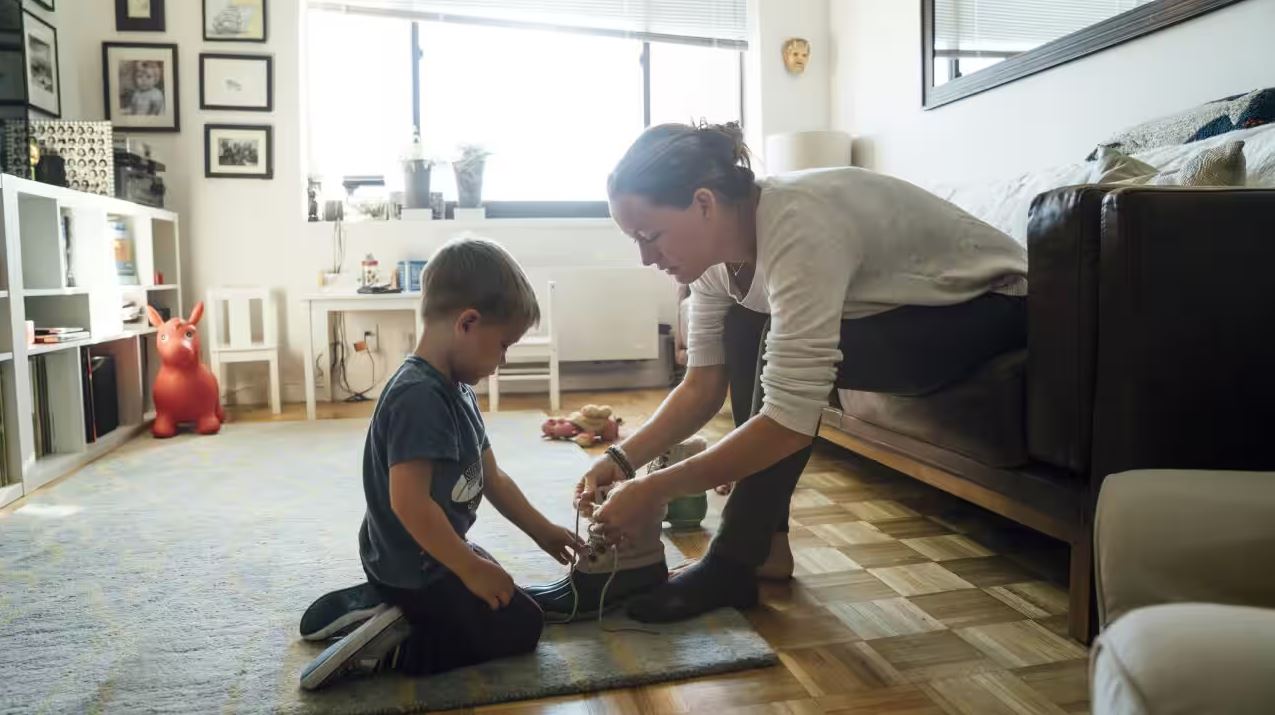
The Courage, Balance, and Unseen Strength Within the Journey of Single Parenthood
The Strength Found in Standing Alone
Single parenting begins in a space where courage replaces certainty. It is not defined by absence but by endurance, not by loss but by renewal. The path can feel lonely, yet within that solitude grows a strength that few recognize until they live it. Single parents carry the weight of every decision, from financial choices to emotional care, often without a safety net. Yet each day they continue, fueled by love that refuses to fade. This resilience is not loud or dramatic; it is quiet, consistent, and deeply human. It appears in the early mornings before work, in the late nights after homework, and in the countless small sacrifices that weave stability from exhaustion. To stand alone and still nurture another life is an act of devotion that defines strength in its purest form.
Society often frames single parenting through struggle, but within that struggle lies profound empowerment. The independence forged through necessity becomes confidence earned through experience. Each challenge met becomes proof of capability. Over time, what begins as survival transforms into grace. The single parent learns to balance practical responsibilities with emotional presence, creating a life that may be imperfect yet full of authenticity and love. In standing alone, they discover that solitude can carry wisdom and that resilience, once born, never truly leaves.
The Art of Balancing Roles Without Losing Self
Single parents often play every role at once. They are both comfort and discipline, provider and nurturer, protector and guide. This constant shift between responsibilities demands emotional agility. There is no one to pass the baton to when fatigue settles in, no second voice to mediate when uncertainty arises. The challenge is not only to manage time but to preserve selfhood amid the demands. Many single parents find that balance comes not from perfection but from flexibility. They learn that structure must bend, that schedules may fail, and that love often fills the gaps organization cannot.
Self-care becomes both an act of necessity and resistance. It is easy to forget oneself when every hour is given to others, yet the ability to sustain care for a child begins with caring for one’s own well-being. A moment of silence before the day begins, a walk, or even a shared laugh becomes restoration. When a parent honors their own needs, they teach their child that self-respect is not selfish. This balance between giving and replenishing defines the endurance of single parenting. It transforms chaos into rhythm and pressure into growth.
Raising Children in a Landscape of Love and Stability
Children raised by single parents learn resilience not from words but from example. They see perseverance daily, watching how their parent adapts, solves problems, and continues despite obstacles. The environment they grow in may not have two adults, but it often has twice the empathy. Single parents learn to create emotional stability through consistency and communication. They may not have endless hours, but the time they give carries intention. It teaches children that presence matters more than perfection.
Routine becomes a form of reassurance. Shared meals, nightly check-ins, or morning rituals tell children that even in a world that changes, home remains constant. Honesty also becomes essential. Single parents who explain challenges in age-appropriate ways help their children understand life’s complexity without fear. This openness builds trust, teaching that vulnerability and strength coexist. The child learns that love does not depend on circumstances but on connection. Through this nurturing, single parents create not only secure homes but resilient hearts.
The Financial and Emotional Balancing Act
Financial independence is one of the heaviest burdens single parents carry. Managing income, savings, and daily expenses often feels like walking a tightrope without a net. Yet many discover resourcefulness they never knew they possessed. They learn to stretch budgets creatively, to prioritize essentials over excess, and to find opportunity in unexpected places. This ingenuity often spills into emotional life, teaching adaptability and patience. The discipline that comes from financial management mirrors the emotional balance required to sustain calm through uncertainty.
Emotional budgeting is just as vital. Single parents must decide where to invest their energy and what to let go. They cannot be everything to everyone, and recognizing this truth becomes a form of freedom. Accepting help from family, friends, or community resources is not weakness but wisdom. Support networks become extended families, proving that strength grows through connection. Balancing financial strain with emotional well-being is an ongoing journey, but it is also one that builds lifelong skills. Through each challenge, single parents redefine stability not as wealth, but as the ability to create peace from persistence.
The Role of Community and Connection
While single parenting can feel isolating, community transforms solitude into solidarity. Reaching out for support, whether through friends, relatives, or local programs, helps sustain both parent and child. The act of asking for help is not an admission of inadequacy but a recognition of interdependence. Every parent needs a village, even if they have built their home alone. Support groups, parenting workshops, and online communities provide spaces for understanding and shared experience. Within these circles, parents exchange advice, share laughter, and find comfort in knowing they are not walking alone.
Community also extends to friendships and mentorships that model healthy relationships. For children, seeing their parent surrounded by supportive people teaches that connection is strength, not dependence. Parents who build community demonstrate that vulnerability leads to belonging. They show their children that love and support exist in many forms, not limited to traditional family structures. These relationships enrich life, offering both relief and joy. They remind single parents that they are part of a larger human story of endurance and care, where compassion sustains what solitude cannot.
Transforming Guilt into Grace
Many single parents carry guilt, whether from the circumstances that led to singlehood or from the fear of not doing enough. This guilt can become a quiet shadow, following even moments of happiness. Yet guilt, when examined with honesty, can transform into grace. Recognizing that no parent is perfect allows space for forgiveness. What matters is presence, not perfection. Children do not remember spotless houses or elaborate plans; they remember laughter, comfort, and the reassurance that they were loved unconditionally. Single parents who release guilt reclaim energy for what truly matters, the moments of connection that define family life.
Turning guilt into grace also means celebrating small victories. Managing a tough day, making a hard choice, or simply showing up again and again are achievements worth acknowledging. Gratitude becomes a healing practice. By focusing on what is possible rather than what is missing, single parents model resilience and hope. They teach their children that adversity can deepen empathy and that strength often grows from the soil of imperfection. Grace, once embraced, replaces guilt with peace, allowing families to move forward with lightness and pride.
The Strength of Redefining Family
Single parenting challenges traditional definitions of family, but it also expands them. Families are not bound by numbers but by connection. One parent can provide the stability, love, and guidance that many find in larger households. The essence of family lies in commitment, not configuration. Single parents create spaces that reflect this truth every day. Their homes may be smaller or quieter, but they are often filled with laughter, honesty, and resilience. They teach their children that love can grow anywhere it is nurtured and that family is defined by care, not convention.
Redefining family also means embracing new traditions. Holidays, birthdays, and daily routines evolve to fit the household’s rhythm. Children raised in these environments often develop flexibility and empathy, understanding that family can take many forms. When single parents celebrate their unique family identity, they empower their children to see diversity in relationships as strength rather than difference. Each day becomes proof that love does not need symmetry to flourish, it only needs intention and heart.
The Legacy of Courage Passed Forward
Every single parent builds a legacy through their choices, their perseverance, and their unwavering love. This legacy is not measured by material success but by the values instilled in their children. Children raised by single parents often carry deep emotional intelligence, resilience, and respect for hard work. They understand sacrifice, gratitude, and the importance of showing up. The courage they witness in their parent becomes a blueprint for their own lives. It shapes how they approach relationships, how they respond to challenge, and how they define love.
Single parents rarely see the impact they make in real time. Their days are filled with routine, and their nights with reflection. Yet years later, their children will look back and recognize the strength that surrounded them. They will remember a parent who stood steady even when life wavered, who created beauty from burden, and who taught through example that strength is not loud, it is steadfast. This legacy endures across generations, transforming hardship into hope and proving that the power of one can change the course of many.
The Quiet Triumph of Love That Never Falters
The journey of single parenting is one of quiet triumph. It is built not on perfection but on persistence, not on certainty but on faith. Each day brings challenges, but within those challenges lies extraordinary grace. Single parents embody love that adapts, heals, and endures. They prove that strength is not the absence of struggle but the ability to find peace within it. Their homes may carry fewer hands, but they hold no less warmth. Through sacrifice, laughter, and unwavering care, single parents teach their children one of life’s most profound truths: that love, even when carried alone, remains enough to build a world around.