

Gathered Around the Table of Growth
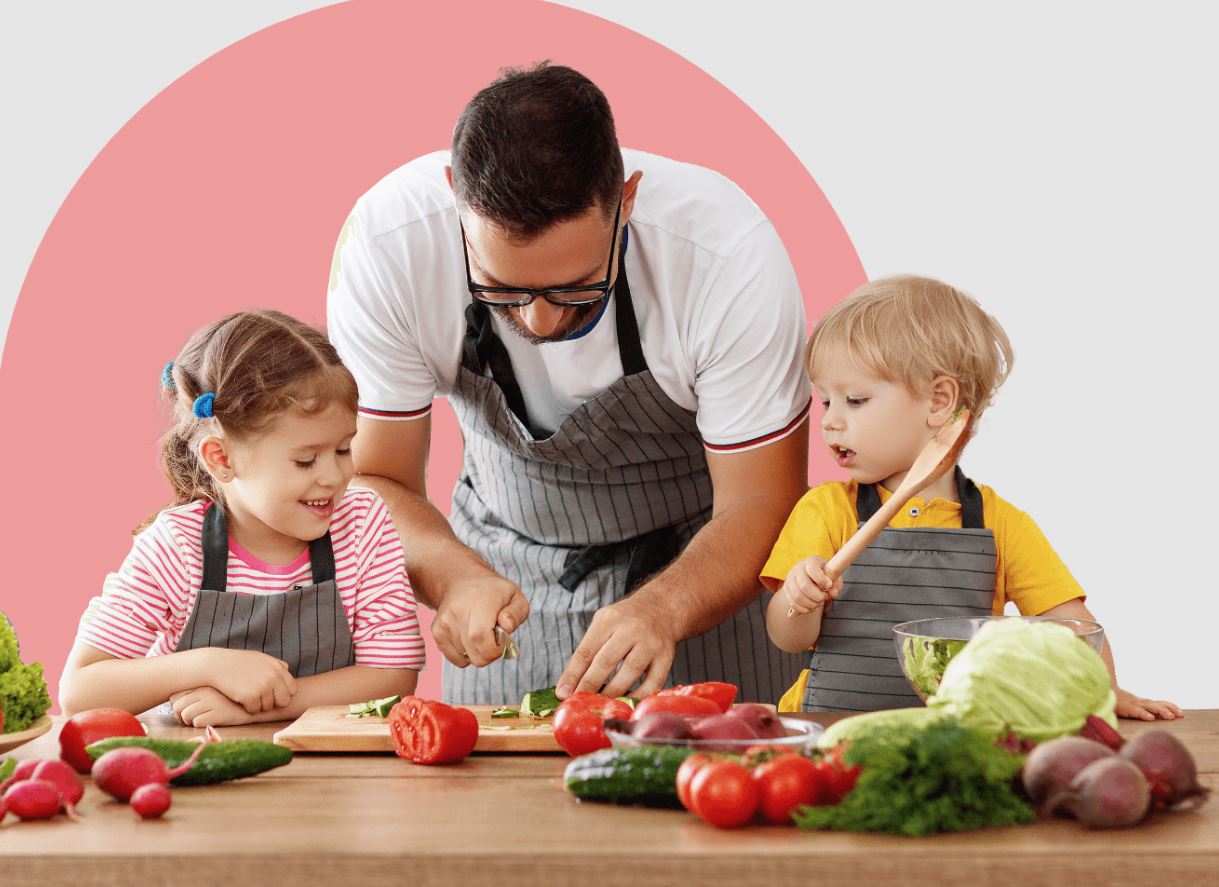
Everyday Nutrition Shapes the Health, Energy, and Harmony of a Family in Motion
The Heart of Nourishment Begins at Home
Nutrition is not only about what appears on a plate but about the rhythm of family life that surrounds it. The meals shared together become small ceremonies of connection, teaching children the value of care, balance, and gratitude. In a world where convenience often replaces quality, building a mindful approach to food is one of the most powerful investments a family can make. Every stage of life, from infancy to adolescence and beyond, requires thoughtful nourishment that evolves with changing needs. Parents often underestimate the influence of family habits, yet children model not only the flavors they grow accustomed to but also the attitudes they see at the table. When mealtime becomes a space of calm conversation and exploration, it shapes lifelong relationships with food grounded in joy rather than guilt or restriction.
The foundation of a growing family’s nutrition rests on consistency and awareness rather than perfection. It is less about strict diets and more about patterns of nourishment that reflect balance and variety. When parents make food choices that prioritize whole ingredients and limit processed ones, they are not only feeding bodies but nurturing trust and stability. Food becomes language, an expression of love and responsibility that strengthens emotional well-being along with physical health. In this way, nutrition becomes a family legacy that extends beyond generations, influencing not just growth but how future adults will care for themselves and others.
Early Beginnings and Building Blocks of Health
The earliest years of a child’s life set the stage for their lifelong relationship with food. Taste preferences begin forming even before birth, influenced by the mother’s diet during pregnancy. After birth, whether through breastfeeding or formula, babies receive their first introduction to nourishment and comfort. Introducing solid foods becomes a pivotal moment, not only for nutrition but for sensory and emotional development. Offering a variety of textures, colors, and flavors helps shape open-minded eaters who approach food with curiosity rather than resistance. When caregivers engage children during feeding, making eye contact and encouraging participation, they foster trust and positive association with eating.
During early childhood, growth happens rapidly, and so does learning. Nutrient-dense foods like fruits, vegetables, whole grains, lean proteins, and healthy fats play critical roles in supporting brain development and immune strength. Iron, calcium, and omega-3 fatty acids are particularly important for energy and cognition. Establishing routines, such as consistent mealtimes and limited snacking, teaches structure that helps prevent overeating later in life. When parents eat alongside children, modeling balanced choices rather than dictating them, the lesson becomes authentic. The child learns that food is both sustenance and celebration, not a source of anxiety or control.
The Growing Appetite of Adolescence
As children transition into adolescence, nutritional needs shift dramatically. Growth spurts, hormonal changes, and increased physical activity demand higher energy and nutrient intake. However, this period also introduces greater independence and exposure to social influences that may challenge healthy habits. Teens begin eating more meals away from home, often drawn to convenience foods high in sugar, salt, and saturated fats. Rather than policing their choices, parents can guide teens through education and collaboration. Discussing how food impacts performance, focus, and mood empowers them to make informed decisions. Encouraging them to participate in grocery shopping and meal preparation also fosters autonomy and responsibility.
Iron and calcium continue to play vital roles in teenage development, supporting muscle growth and bone density. Adequate hydration, often overlooked, becomes essential as activity levels rise. Parents who create open dialogue about nutrition without judgment help adolescents internalize values of balance rather than restriction. When healthy meals remain accessible at home and indulgences are approached with moderation, teenagers learn that nutrition is about harmony rather than rules. These lessons often echo well into adulthood, forming the backbone of lifelong self-care.
Balancing Nutrition Across the Family Spectrum
Every member of a family has unique needs, yet shared meals offer the opportunity to bridge those differences. The key lies in flexible planning that accommodates growth, preference, and activity level without sacrificing togetherness. Children may require smaller portions and more frequent snacks, while adults may benefit from nutrient-rich meals that sustain energy through demanding days. Older family members might need softer textures or additional fiber for digestive health. By centering meals around whole ingredients, families can adjust quantities and sides while keeping the core of nutrition intact. Diversity on the plate ensures that everyone finds something nourishing and satisfying.
Family meal planning becomes a collaborative art when everyone contributes ideas. Letting children choose one dinner a week or help assemble meals increases enthusiasm and reduces resistance. Parents can also simplify nutrition by focusing on color and variety. A rainbow of vegetables, whole grains, and lean proteins naturally provides a wide range of vitamins and minerals. This visual approach makes healthy eating intuitive rather than restrictive. When families approach nutrition as a shared experience rather than an obligation, food becomes a joyful unifier rather than a source of conflict.
The Emotional Connection Between Food and Family
Nutrition is inseparable from emotion. Meals are often the backdrop for some of the most memorable family moments. A warm bowl of soup during illness, a birthday cake shared with laughter, or the simple comfort of breakfast together builds emotional security and belonging. These rituals teach that nourishment extends beyond nutrients to include love, presence, and care. When families treat food as a medium of connection rather than control, children grow up understanding that eating is not about guilt but gratitude. The emotional tone surrounding food profoundly influences a child’s future eating habits, often more than the food itself.
Parents can foster positive associations by avoiding negative language about food or body image. Comments that shame or compare can erode self-esteem and create unhealthy relationships with eating. Instead, focusing on energy, strength, and wellness shifts the conversation toward empowerment. Sharing cultural or traditional recipes also reinforces identity and belonging, helping children appreciate their heritage through taste and story. In these moments, nutrition becomes not only physical but cultural, linking past and present through shared meals and shared memories.
Navigating Modern Challenges
Modern families face unique nutritional challenges. Busy schedules, screen distractions, and the prevalence of processed foods can make consistent, balanced eating difficult. The abundance of marketing aimed at children complicates choices even further. Parents can counter these influences by establishing clear boundaries and routines. Preparing simple, wholesome meals at home remains the most reliable strategy for ensuring quality nutrition. Batch cooking, freezing portions, and planning weekly menus help manage time while reducing reliance on takeout. Involving children in these processes transforms cooking from a task into a teaching moment about health, responsibility, and creativity.
Another challenge lies in the constant stream of conflicting dietary advice. Families can avoid confusion by focusing on fundamental principles: moderation, variety, and mindfulness. Whole foods should form the foundation of every meal, while processed and sugary items are treated as occasional indulgences. Hydration, sleep, and regular physical activity complete the picture of wellness. In essence, the best nutritional plan is one that is sustainable, enjoyable, and adaptable to changing circumstances. When families approach health as a long-term journey rather than a short-term fix, balance becomes second nature.
Building Healthy Habits That Last
Habits formed during family life often extend far beyond the household. The child who grows up watching parents enjoy vegetables without complaint learns to do the same. Consistency and modeling outweigh any lecture about nutrients. Simple routines, such as preparing breakfast together or eating dinner without screens, anchor healthy behaviors in daily life. These rituals create predictability, which fosters security and mindfulness. Over time, children internalize the rhythm of balanced eating, recognizing hunger and fullness cues naturally. Families who prioritize slow, shared meals often report improved communication and emotional well-being alongside physical health.
Education also plays an important role. Teaching children where food comes from and how it is prepared builds respect for nature and effort. Visiting farmers’ markets, growing herbs at home, or cooking from scratch instills appreciation for quality ingredients. Parents who invite curiosity rather than control encourage lasting engagement. Food becomes a story rather than a set of rules. The ultimate goal of family nutrition is not simply to avoid illness but to cultivate vitality, gratitude, and lifelong curiosity about nourishment in all its forms.
Supporting Special Dietary Needs
As families grow, they may encounter individual dietary requirements such as allergies, intolerances, or medical conditions that require adaptation. Managing these needs with sensitivity ensures that no one feels excluded or burdened. Parents can reframe limitations as opportunities for creativity rather than restriction. Exploring new recipes or alternative ingredients introduces variety and inclusivity. Communication within the family is essential, as transparency helps everyone understand and respect each other’s health needs. Schools and caregivers should also be informed to maintain consistency and safety outside the home.
When navigating special diets, balance remains the guiding principle. Overcompensating with processed substitutes often leads to nutritional imbalance, while eliminating entire food groups without proper replacement can cause deficiencies. Consulting healthcare professionals and registered dietitians ensures that adaptations remain nutritionally sound. Involving the child in understanding their own dietary needs empowers independence and self-advocacy. In this way, even dietary restrictions can become powerful lessons in awareness, empathy, and resilience, turning potential challenges into opportunities for family unity and learning.
The Shared Table of Tomorrow
Family nutrition is more than the sum of ingredients; it is the story of growth told one meal at a time. The habits built today echo in the health and happiness of future generations. When families gather around the table with mindfulness and gratitude, they reinforce the belief that nourishment is an act of care, not obligation. Each shared meal teaches patience, cooperation, and appreciation for life’s simplest pleasures. The goal is not to chase perfection but to sustain balance, adapting with each season and stage. In this shared pursuit of nourishment, families discover that the food they prepare and the time they spend together become the threads that hold their story of growth together, weaving strength, love, and vitality into every generation that follows.