

The Games That Build the Mind’s First Foundations
Exploring How Joy, Movement, and Imagination Shape the Foundations of a Child’s Mind
The First Lessons Hidden in Laughter
Play is not a distraction from learning but the most natural form of education a child will ever experience. Long before children recognize letters or numbers, they understand rhythm, repetition, and exploration through play. The laughter that fills a room during imaginative games is not mere amusement; it is the sound of neural pathways forming. Through play, children develop cognitive flexibility, emotional regulation, and the ability to think creatively. A child pretending to cook or constructing a tower from blocks is experimenting with problem-solving, cause and effect, and spatial awareness. Every action is a small rehearsal for understanding the wider world. Adults often underestimate how much thought exists beneath the surface of play, but research continually reveals that the foundation of intelligence and emotional stability is built through joyful exploration, not strict instruction. By playing freely, children discover both the world and themselves.
Parents who join or encourage play nurture a deeper connection with their children. Eye contact, shared laughter, and cooperation during play reinforce trust and attachment. These experiences create emotional safety that supports learning across all areas of life. When children feel understood and valued during play, their confidence grows. They learn that mistakes are not failures but opportunities to try again. In these moments, play becomes more than entertainment; it becomes a framework for curiosity, resilience, and self-discovery.
The Brain at Play
Inside the developing brain, play ignites a remarkable symphony of activity. Each sensory experience activates multiple neural networks, linking movement, emotion, and cognition in powerful ways. When a child climbs, runs, or paints, the brain is not simply observing but actively organizing information. These moments build the prefrontal cortex, which governs decision-making, planning, and empathy. Play teaches the brain to manage impulses and to delay gratification, essential skills for social and academic success. This process also strengthens emotional memory, allowing children to associate learning with pleasure rather than stress. The mind, stimulated by novelty and engagement, thrives on playful exploration far more than on passive absorption of information.
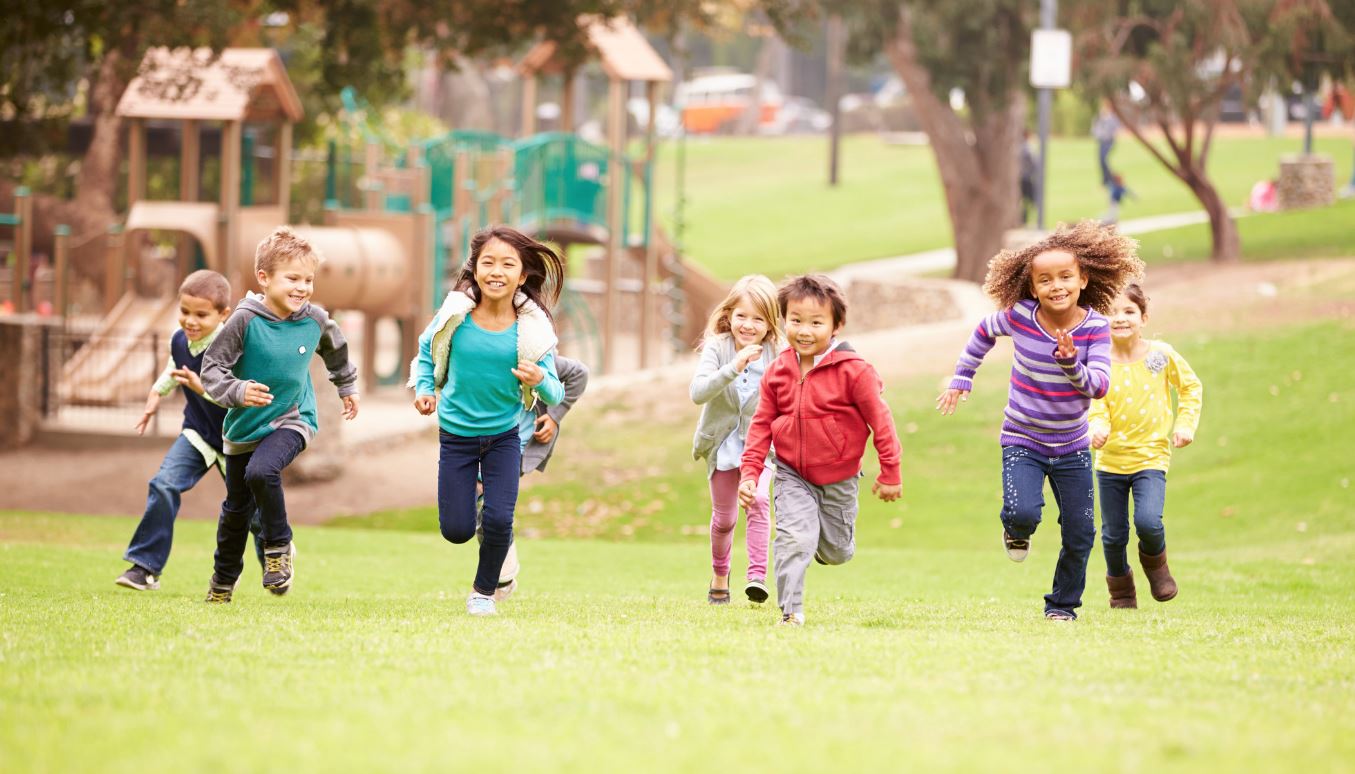
Physical play, such as running or jumping, contributes to the development of motor coordination and balance. It connects body awareness with spatial reasoning, a skill that later supports reading and mathematical understanding. Social play, such as pretending or cooperative games, fosters the development of empathy and negotiation. When a child shares toys or decides who takes the next turn, they are learning conflict resolution in its earliest form. Even solitary play carries value, teaching self-reliance and imagination. Each form of play contributes uniquely to shaping the brain into an adaptable, creative organ ready to embrace lifelong learning.
Play as the Foundation of Social Understanding
Children learn to relate to others not through lectures on kindness, but through play that mirrors the dynamics of social life. Every shared game requires compromise, patience, and empathy. A simple dispute over who goes first becomes an opportunity to practice fairness. These moments may seem minor, but they shape how children interpret relationships. Cooperative play teaches that others’ needs matter, while competitive play introduces resilience in the face of loss. Both experiences contribute to a balanced emotional landscape. When children experience inclusion and empathy during play, they internalize these values and carry them into broader social interactions.
Parents and educators can facilitate social learning by creating environments that invite collaboration rather than comparison. Group activities, outdoor adventures, and shared creative projects teach cooperation and respect for diversity. When children encounter different perspectives during play, they begin to understand that the world is full of varied voices and experiences. This early exposure builds tolerance and adaptability. The social lessons of play cannot be replaced by any structured curriculum because they emerge organically from real emotion and interaction. Play, in its purest form, remains the most human way to teach compassion and connection.
The Role of Imagination and Creativity
Imaginative play allows children to step into worlds beyond their immediate reality. A cardboard box becomes a spaceship, a blanket fort becomes a castle, and a few pebbles transform into treasure. Through such experiences, children practice symbolic thinking, a skill essential for language, storytelling, and problem-solving. Pretend play also nurtures emotional intelligence by giving children a safe space to explore different roles and feelings. A child pretending to be a teacher learns about responsibility. One pretending to be a doctor practices care and empathy. This self-created theater allows them to process emotions that may otherwise be difficult to articulate.
Creativity in play is not limited to fantasy. It is present when children design new games, build structures, or invent songs. Creative play strengthens divergent thinking, the ability to find multiple solutions to a single problem. In an age where education often prioritizes standardization, play preserves originality. Parents who encourage imaginative expression help their children view challenges as puzzles rather than obstacles. The ability to think creatively early in life becomes the seed from which innovation and adaptability grow in adulthood. When imagination is nurtured, the child learns that possibilities are endless and that their ideas have the power to shape the world.
Play and Emotional Regulation
Play provides a safe outlet for emotional release. Through movement, laughter, and creativity, children process feelings they may not yet have the words to describe. A child building and destroying sandcastles may be expressing frustration and restoration. Another drawing storm clouds might be working through sadness. This emotional expression through play prevents internalization of stress and teaches self-awareness. Parents who observe play attentively gain valuable insight into their child’s emotional world. By responding with empathy instead of judgment, they help children feel seen and supported. The act of play itself releases endorphins, natural chemicals that regulate mood and promote calm.
Structured activities can also teach emotional control. Games with rules, for example, require patience and impulse management. Waiting for a turn or coping with loss teaches resilience in small, digestible doses. Over time, these experiences shape emotional intelligence and self-regulation. When parents join in play without dominating it, they model how to balance excitement and restraint. The key lies in presence, not perfection. Emotional health, built in play, becomes the foundation for academic success, strong relationships, and mental well-being later in life. It reminds both children and adults that joy itself is a stabilizing force.
Learning Through Playful Exploration
Play transforms curiosity into understanding. Every question a child asks during play is a spark of scientific thinking. When they pour water from one cup to another, they are experimenting with volume. When they build towers that fall and rebuild them, they are testing principles of gravity. These natural explorations create the groundwork for later academic learning. The best early education programs recognize that children learn best when movement, inquiry, and play intersect. Through playful discovery, they learn persistence, adaptability, and confidence. This method of learning also cultivates a mindset that welcomes challenge rather than fears failure.
Parents can support this process by providing open-ended materials that invite exploration. Blocks, clay, natural objects, and art supplies allow endless creativity without predetermined outcomes. Asking guiding questions rather than giving instructions deepens learning. For instance, “What do you think will happen if we try it this way?” sparks analysis and reasoning. In these moments, play transforms into an engine of curiosity. The lessons gained through exploration stick longer than those taught by rote. The child who learns through play not only understands concepts but also develops the love of discovery that fuels lifelong growth.
Balancing Structure and Freedom
While free play is essential, structure provides the rhythm that keeps it productive and safe. Balance is key. Children benefit from both unstructured play, where imagination reigns, and structured play, where guidance and teamwork enhance skills. Organized sports, music lessons, and puzzles teach discipline and perseverance. Free play, on the other hand, fosters independence and creativity. A healthy combination ensures that learning remains joyful while still promoting focus and goal-setting. Parents who over-schedule their children risk turning play into performance, eroding its intrinsic joy. Allowing space for boredom can reignite creativity as the mind seeks new ways to engage.
Setting boundaries around play also teaches respect and time management. Establishing designated play times helps children understand balance between work and rest. Within those boundaries, they learn self-regulation and decision-making. Adults who honor play as seriously as study send a powerful message: that joy and learning are not opposites but allies. In this environment, children flourish as whole beings, capable of balancing curiosity with discipline and imagination with responsibility.
Parents as Partners in Play
Children look to their caregivers not just for protection but for cues on how to live fully. When parents participate in play, they validate its importance. Shared play breaks the hierarchy between adult and child, creating moments of equality that strengthen emotional bonds. Playing together also allows parents to model cooperation, patience, and humor. It shows children that joy is not reserved for youth but remains vital throughout life. However, participation should never overshadow autonomy. The role of the parent is to invite and engage, not to control the narrative. Observing and responding to the child’s lead keeps play authentic and empowering.
Parents who reintroduce playfulness into their own lives often find renewed connection not only with their children but with themselves. It reminds them of the simplicity of wonder. The act of play bridges generations, teaching both sides the art of presence. When families play together, they create memories that carry lessons far beyond childhood. These experiences build a shared language of laughter and trust that withstands the inevitable challenges of growing up. Through play, parents teach their children the most vital truth of all: that learning, love, and joy are meant to coexist.
The Endless Classroom of Joy
Play is not a pause in development but its heartbeat. It is where the mind, body, and spirit learn to move in harmony. Every moment of play is an act of discovery, every giggle a sign of growth. In a world that often rushes childhood, protecting the right to play becomes an act of wisdom. It ensures that learning remains joyful and that growth remains balanced. When we give children the freedom to explore, imagine, and create, we are giving them the tools to thrive not just in school but in life. The endless classroom of play reminds us that the best lessons are often learned not in silence, but in laughter, movement, and the boundless wonder of being young.